


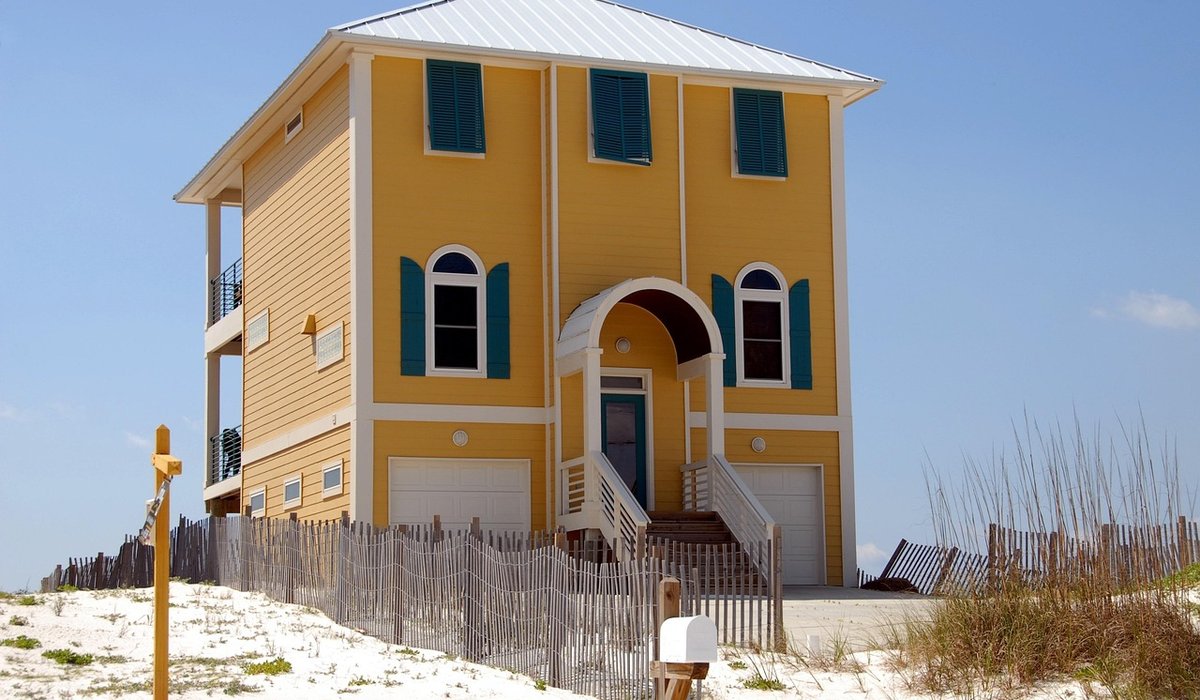
Why coastal homes deserve a different kind of homework
There is something genuinely restorative about waking up to the sound of gulls and the smell of salt on the air. Plenty of buyers fall for a sea view within minutes and start mentally arranging furniture before they have asked a single practical question. That is understandable, but a coastal purchase rewards patience more than most. The same forces that make a seaside location beautiful — wind, water, salt and weather — are also the things that will shape your maintenance bills, your insurance premiums and, in some cases, how long the property will comfortably last. A little structured thinking before you offer can save you a great deal of money and heartache.
Location: exposure, erosion and flood risk
Two coastal properties a mile apart can behave very differently. The key variables are aspect, elevation and what stands between the house and the water.
- Fetch and prevailing winds. In most of the UK, the strongest weather arrives from the south-west. A house with a long, unbroken stretch of sea to its south-west takes far more punishment than one sheltered by a headland, a harbour wall or a belt of mature trees.
- Height above sea level. Ask for the actual elevation in metres, not just a glance at the horizon. A handful of metres matters enormously during a storm surge combined with a high spring tide.
- Coastal erosion. Check the shoreline management plan for that stretch of coast. Some areas are designated for holding the line, some for managed realignment, and some for no active intervention. That designation tells you what defences, if any, are likely to be maintained in future decades.
- Flood history. Look beyond the standard flood map. Ask neighbours whether the lane, promenade or car park has flooded in the last ten years, and whether surface water rather than the sea was the culprit.
It is also worth visiting at the worst of the weather, if you can. A calm blue afternoon in June tells you very little about January.
Construction and materials that cope with salt air
Salt is relentless. It corrodes metal, it draws moisture into porous surfaces, and it speeds up the decay of anything poorly protected. When you view a property, look closely at the details rather than the décor.
- Metalwork. Check window fittings, balcony rails, external sockets and door furniture for pitting and rust. Stainless steel, powder-coated aluminium and galvanised components last far better than untreated steel or cheap chrome.
- Walls and render. Traditional render and masonry can perform well, but cracked or blown render lets driven rain in. Cement-rich renders and modern impermeable paints can trap moisture and cause problems in solid-walled older properties.
- Windows and doors. Well-fitted double or triple glazing with good weather seals makes a real difference. Poorly fitted uPVC will rattle and leak in an onshore gale.
- Roof and rainwater goods. Look for corrosion-resistant fixings, secure ridge tiles and generously sized gutters. Wind-driven rain will find any weak point.
- Trees and planting. A shelter belt of hardy native species can transform how a garden and a house weather the winter.
Surveys, searches and questions to ask
A generic mortgage valuation is not enough on the coast. Commission a full building survey from a surveyor who regularly works in the area, and ask them specifically about salt exposure, damp, timber decay and metal corrosion. Alongside that, request a coal mining, radon and flood search as relevant to the region, and confirm whether the property sits in a conservation area or an area of outstanding natural beauty, as both affect what you can alter.
Ask the seller directly about: the age and condition of the roof; when the external paintwork was last redone; whether there has ever been an insurance claim for storm or flood damage; and what the property is built of beneath the render. If the home is leasehold, particularly a chalet or park home, check the length of the lease, ground rent, service charges and any restriction on year-round occupation.
Running costs, insurance and the long view
Budget for more than you would inland. Expect higher buildings insurance, particularly within flood zones, and be prepared for the excess to be substantial. The government-backed flood reinsurance scheme helps many homeowners, but it does not cover every property, so get quotes before you exchange contracts rather than after.
Maintenance is the other ongoing cost. External redecoration may be needed every three to five years rather than every seven to ten. Gutter clearing, repointing, fence repairs and the replacement of corroded fixings all come around more often. Set aside a realistic annual figure — several thousand pounds a year on an exposed property is not unusual — and treat it as part of the price of the view.
Practicalities worth checking before you commit
Finally, think about daily life. Is the access road liable to flooding or closure at high tide? Is there parking, or does the summer season turn the lane outside into a bottleneck? How reliable are broadband and mobile coverage? If you plan to let the property, check local planning conditions on short-term holiday lets and confirm the council tax position. Speak to a couple of neighbours if you can — they will tell you more about winter storms, drainage and community life than any brochure ever will. Buy with your eyes open and a coastal home can be a joy for decades. Buy on impulse and the sea will quietly send you the bill.


Leave a reply